Launching and scaling a business requires more than a great product, a strong team, and a clear strategy. Behind every successful company is a reliable financial infrastructure that enables daily operations, supports growth, and ensures compliance.
At the center of this infrastructure is an operational account.
Whether you operate in cryptocurrency, iGaming, forex, payments, fintech, e-commerce, or another regulated sector, having the right operational account is essential for conducting business efficiently and securely.
In this article, we’ll explain what an operational account is, why it matters, the challenges high-risk industries face when opening one, and how Wallter helps businesses establish operational banking solutions quickly and effectively.
What Is an Operational Account?
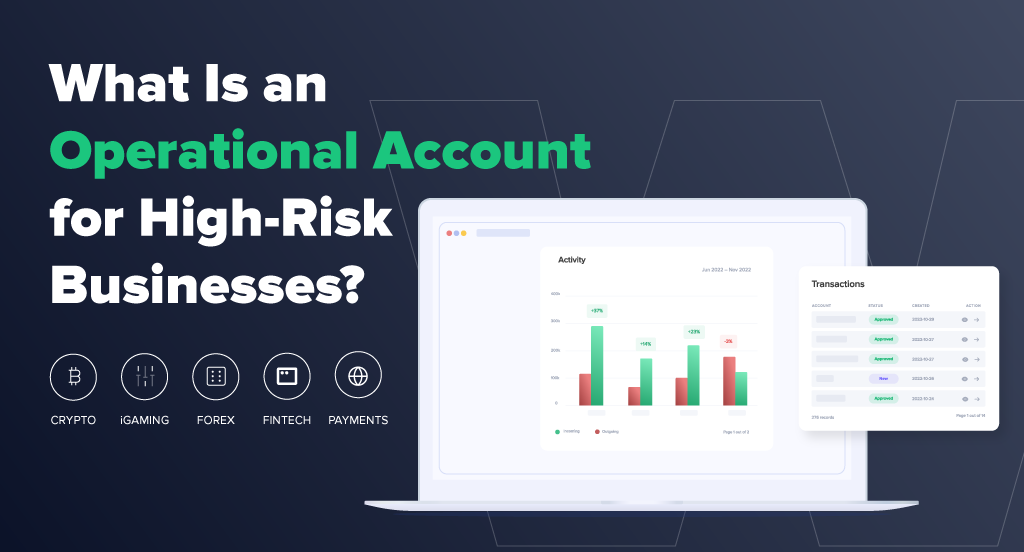
An operational account is a business account used to manage the day-to-day financial activities of a company.
Unlike investment accounts, safeguarding accounts, or client funds accounts, an operational account is designed to support the company’s own business operations.
Businesses typically use operational accounts to:
- Receive incoming payments
- Pay suppliers and service providers
- Process payroll
- Cover operational expenses
- Execute domestic and international transfers
- Manage liquidity and cash flow
- Hold multiple currencies for international operations
In simple terms, if a company cannot access a functioning operational account, it cannot operate efficiently.
Why Operational Accounts Are Critical for Business Success
An operational account serves as the financial foundation of a business.
Without it, companies may struggle to:
- Collect revenue from customers
- Pay employees on time
- Settle invoices with vendors
- Conduct international transactions
- Demonstrate financial credibility to partners and regulators
For businesses operating internationally, an operational account becomes even more important, allowing seamless management of multiple currencies and cross-border transactions.
A properly structured operational account improves operational efficiency, enhances financial visibility, and supports business growth.
Why High-Risk Industries Face Banking Challenges
While opening a business account may seem straightforward, companies operating in regulated or high-risk sectors often face significant challenges.
Industries commonly classified as higher risk include:
- Cryptocurrency businesses
- Digital asset service providers
- Forex brokers
- Online gaming and iGaming operators
- Payment service providers
- Fintech companies
- Money service businesses
- High-volume e-commerce merchants
- Cross-border payment companies
These sectors often face enhanced scrutiny due to regulatory obligations, anti-money laundering requirements, international compliance standards, and complex transaction flows.
As a result, many traditional banks are hesitant to onboard such businesses.
Common challenges include:
- Lengthy Onboarding Processes: Account opening can take weeks or even months, delaying business launches and growth initiatives.
- Increased Compliance Requirements: Financial institutions often request extensive documentation regarding ownership structures, business models, licensing, source of funds, and compliance procedures.
- Application Rejections: Many legitimate businesses are declined simply because they operate in industries considered high risk by certain institutions.
- Operational Limitations: Even after onboarding, businesses may face restrictions on transaction volumes, international transfers, or supported jurisdictions.
What Businesses Should Look for in an Operational Account
Choosing the right operational account provider is critical.
Businesses should consider the following:
- International Payment Capabilities: Global companies need the ability to send and receive payments efficiently across multiple jurisdictions.
- Multi-Currency Support: Holding and managing multiple currencies can reduce conversion costs and simplify international operations.
- Reliable Banking Infrastructure: A robust payment infrastructure ensures smooth day-to-day operations and business continuity.
- Compliance Expertise: Working with providers that understand regulatory requirements helps streamline onboarding and reduce operational friction.
- Scalability: As businesses grow, their banking solutions must grow with them.
Operational Accounts for Crypto, Forex, and iGaming Businesses
For companies operating in crypto, forex, and iGaming, access to reliable operational banking can be one of the most important factors determining success.
These industries often require:
- High transaction capacity
- International payment capabilities
- Multi-currency support
- Regulatory compliance frameworks
- Flexible banking solutions
Unfortunately, many businesses spend months searching for suitable banking partners before they can begin operating effectively.
This delay can impact revenue generation, investor confidence, and market opportunities.
That is why choosing the right partner from the beginning is crucial.
How Wallter Helps Businesses Establish Operational Accounts
At Wallter, we understand the unique challenges faced by businesses operating in regulated and high-risk sectors.
Our team has extensive experience supporting international businesses seeking operational banking solutions.
We assist companies by:
- Understanding Complex Business Models: We work with businesses across a wide range of industries and understand the operational realities of sectors that traditional institutions often avoid.
- Streamlining the Onboarding Process: Our expertise helps businesses prepare the required documentation and navigate onboarding requirements efficiently.
- Supporting International Operations: Wallter provides solutions designed for companies conducting business across multiple jurisdictions and currencies.
- Offering Practical Guidance: Our team works closely with clients to identify suitable operational structures that support both immediate business needs and long-term growth objectives.
- Accelerating Business Readiness: For startups and established businesses alike, speed matters. We help companies establish the financial infrastructure necessary to begin operating as quickly as possible.
The Cost of Delaying Your Operational Account
Many businesses underestimate the impact of banking delays.
Without an operational account, companies may experience:
- Delayed product launches
- Lost customer opportunities
- Inability to process payments
- Increased compliance risks
- Cash flow disruptions
- Slower international expansion
In competitive industries such as crypto, forex, and iGaming, every week of delay can have a measurable impact on growth.
Conclusion
An operational account is far more than a standard business account. It is the foundation that allows a company to receive payments, manage expenses, support growth, and operate confidently in international markets.
For businesses operating in high-risk and regulated sectors, obtaining the right operational account can often be one of the most challenging parts of launching and scaling operations.
At Wallter, we understand these challenges and have the expertise to help businesses navigate them efficiently.
Register your account today and take the first step toward building a reliable financial foundation for your business.
👉 Register now: https://registration.wallter.com/
Or contact our team to discuss your business requirements and find the right solution for your operational banking needs.